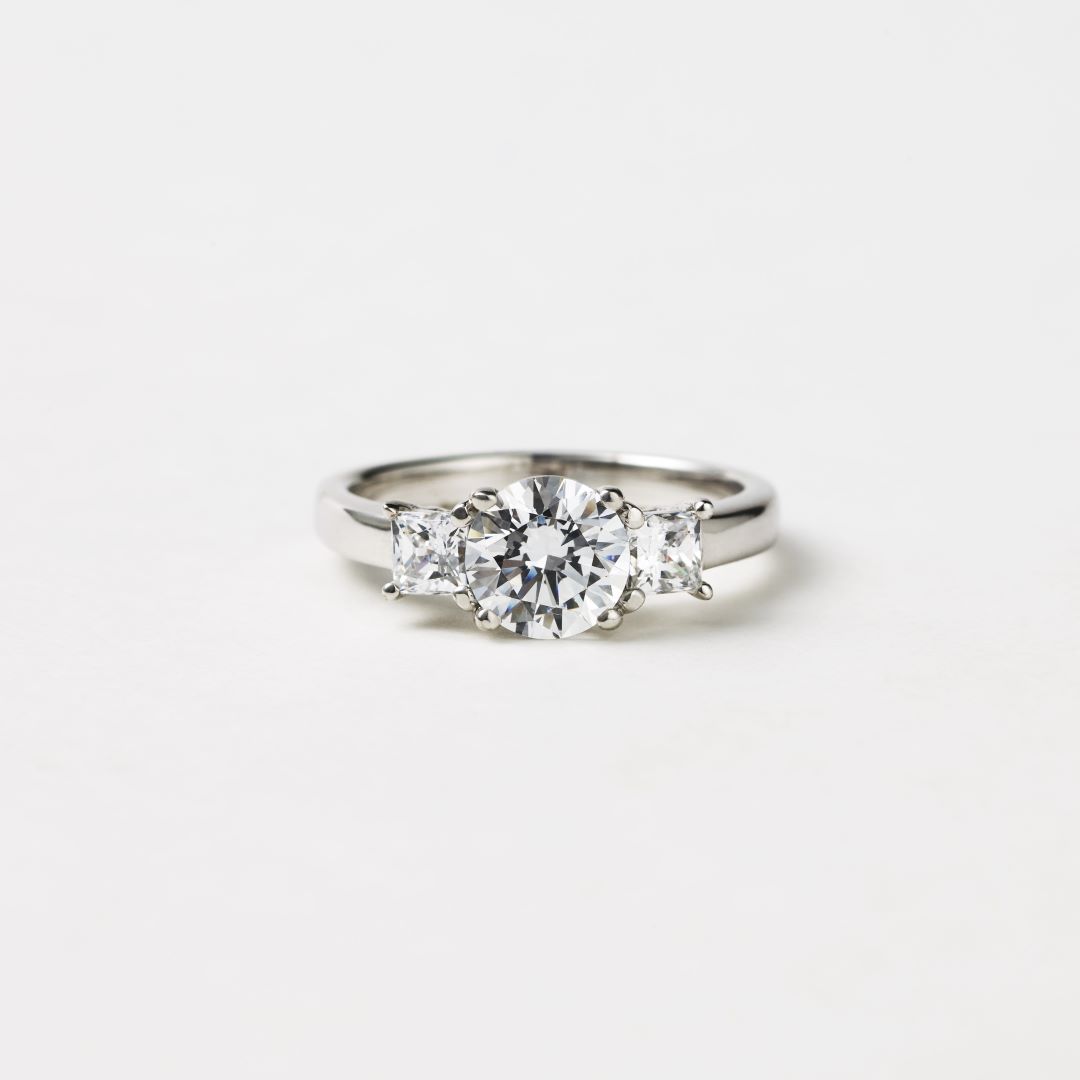

Laboratory Created Diamonds Explained
A lab grown diamond is just like any other real diamond, only made in a facility instead of deep underground. Identical on the atomic level, these stones match mined ones in hardness, sparkle, and structure. Look closely through magnification or get an official report from experts – either way, spotting a difference becomes nearly impossible. When set into a necklace, that shine catches light exactly how you’d expect, clear and bright. The cost? Often far less than what comes out of the earth. Fresh off the line, each piece holds steady in clarity, lacking unwanted specks inside. A bright, lively look comes through – without asking much from your wallet.
Lab Made Diamonds for Necklaces
Choosing a lab made diamond for your necklace addresses several practical needs:
- A bigger rock, or a cleaner one, might fit your budget here versus digging up something from the earth
- Ethical sourcing Lab diamonds avoid environmental damage and controversial mining practices
- Every time, it feels familiar. That happens because how things are made stays steady. What shows up matches what you expect. Control during making ensures that. Predictability comes from uniform steps each round
- From soft blues to deep yellows, lab diamonds shift hue based on what you choose. Clarity follows mood – crisp or cloudy, depending on how light moves through. Design bends around these traits, not the other way. Preferences shape the stone, not stockpile limits. Each detail answers a quiet yes
A single-stone necklace featuring a 1-carat lab-grown diamond shows one clear case. Prices often land 30 to 40 percent below those of earth-mined versions – yet shine and strength stay just as strong.
Lab Made Diamonds Creation Process
Fake diamonds come about in two primary ways. While one way uses intense heat and pressure, the other builds crystals slowly using gas. Each path skips mining but reaches the same result. Scientists pick their method based on equipment and time.
- A diamond begins when carbon faces intense heat far below the surface. Though squeezed tightly, it slowly shifts into a hard structure over time.
- A single diamond seed sits inside a sealed space where air gives way to gases packed with carbon. From there, tiny pieces of carbon begin sticking onto the seed, slowly piling up. Each bit locks into place, forming one thin level after another. Over time, these layers grow into a full crystal structure.
A lab might grow a diamond one way, another time it chooses a different path – either way, results match what comes from deep underground. Spotting which technique was used lets you see how layers formed, maybe even where tiny marks settled inside.
Evaluating Lab Made Diamonds for Your Necklace
When selecting a diamond necklace, focus on these factors:
- Light reflection in a diamond depends on its shape and balance. How evenly it’s formed shapes the sparkle you see. A well-proportioned outline guides brightness back to your eye. Uneven sides scatter light instead of sending it out. Precision in structure controls what glimmers above the surface
- Most times, less inside means more shine. A clear space often feels wide open. Brightness shows up best when stuff stays out. Things seem sharper once clutter takes a back seat. Empty spots let light move around freely
- A Color Lab diamond gets its rating the same way a natural stone does, running from D at the top down to Z. Each grade shows how much color is present, with less tint earning higher marks across both types
- A stone’s heft? Think about cost alongside how it looks. Size matters when both wallet and shine are in play
- A stamp of approval? That comes when an independent lab checks the diamond’s quality. One trusted name usually does the testing. Results get recorded on paper. Proof sits there, clear as day. No guesswork needed afterward
A stone shaped with care, even if not flawless or perfectly clear, usually gives more worth for what you spend. Brightness shows well without needing top-tier traits that hardly change how it looks.
How to Choose a Diamond Necklace
Starting off, pick what you lab made diamonds. After that, check the price without rushing. Then look at shipping options one by one. Before anything else, review your cart carefully. Finally, choose payment only when ready
- Start by looking at several shops. Whether on the internet or nearby, each place shows different costs. One might have more choices, another could charge less. Look around before deciding where to buy. Prices shift from store to shop
- Start by checking pictures or footage of the stone. Shine often shows up best when light moves across it. A steady appearance usually means consistency in quality. Watch how colors spread through the material. Uneven glimmers might suggest flaws hidden at first glance
- Start by looking at return rules. In case the necklace isn’t what you hoped, make sure swaps or returns are allowed. That way, any surprise leaves room for fixes
- Picture where you’ll wear it. A sleek setting might highlight brilliance, while ornate details could distract. Metal tone shifts how bright the stone looks. Yellow gold softens contrast; white metal boosts sparkle. Sometimes simplicity speaks louder than decoration. What stands out today may fade into background tomorrow
- Curious about coverage? A few diamonds include ongoing support plans that last forever. These promise care help down the road, no matter how much time passes
A single round lab diamond on a plain gold necklace might look bigger, shine brighter. Often, the clean setting lets the gem stand out without distraction. Sometimes less really does show more.
Maintaining Your Diamond Necklace
Lab diamonds are durable but require care to maintain brilliance:
- Once in a while, give it a wipe using gentle soap, some water, then go over it with a cloth that’s not rough. A small scrub now and again keeps things looking fresh without causing harm along the way
- Keep it apart. Other jewelry might leave marks if they touch. Space them out to stay safe
- Might want to glance at the settings now and then. Those prongs should stay put – best to make sure they’re still tight. A quick look could save a lot of hassle later on
- Start by taking off any rings or bracelets before you jump into a pool. Chlorine can damage metal and gemstones over time. Skip using strong cleaners on your pieces. Water with added chemicals weakens delicate materials. Always play it safe – keep jewelry dry when around bleach-based solutions
Every now then, a quick wipe brings back the shine. Though tiny, those moments guard both stone and metal over time.
Value Over Time
Mine-free gems usually start cheaper yet fetch far less when sold later compared to earth-dug ones. Thinking ahead about lasting worth? That detail matters. When it’s just for wearing, joy counts more than cash return. Maybe trade up that lab-created pendant down the road instead. Plenty of stores let swaps – smaller gem in, bigger one out – so flexibility finds its place.
FAQ
Are lab made diamonds real?
True enough. These stones match mined ones right down to their atomic makeup and how they behave physically. A well-known lab checks and confirms each one. Their stamp says it all.
Can lab diamonds be used in all types of jewelry?
Fine for everyday wear, lab stones hold up just like mined ones. Whether set in a band, pendant, cuff, or studs, they keep their shine without trouble.
Lab grown diamonds usually come at a lower price compared to those pulled from the earth.
Fine work often comes cheaper that way. A smaller cost might mean room for bigger gems or sharper detail.