
Lab Grown Diamonds Explained Simply
Shiny rocks aren’t new at weddings or big life moments. These days, picking one feels different. A shift has quietly taken hold – labs now grow them too. Folks usually notice during ring hunts online. Questions pop up fast: Is it actually a diamond? How does earth-mined stack against flask-born? Should this even land on the shortlist? Start by looking at how they come into being, also what they actually give. Knowing these details makes picking the right one feel less like guessing. It just clicks when you see them clearly.
Lab Made Diamonds Explained?
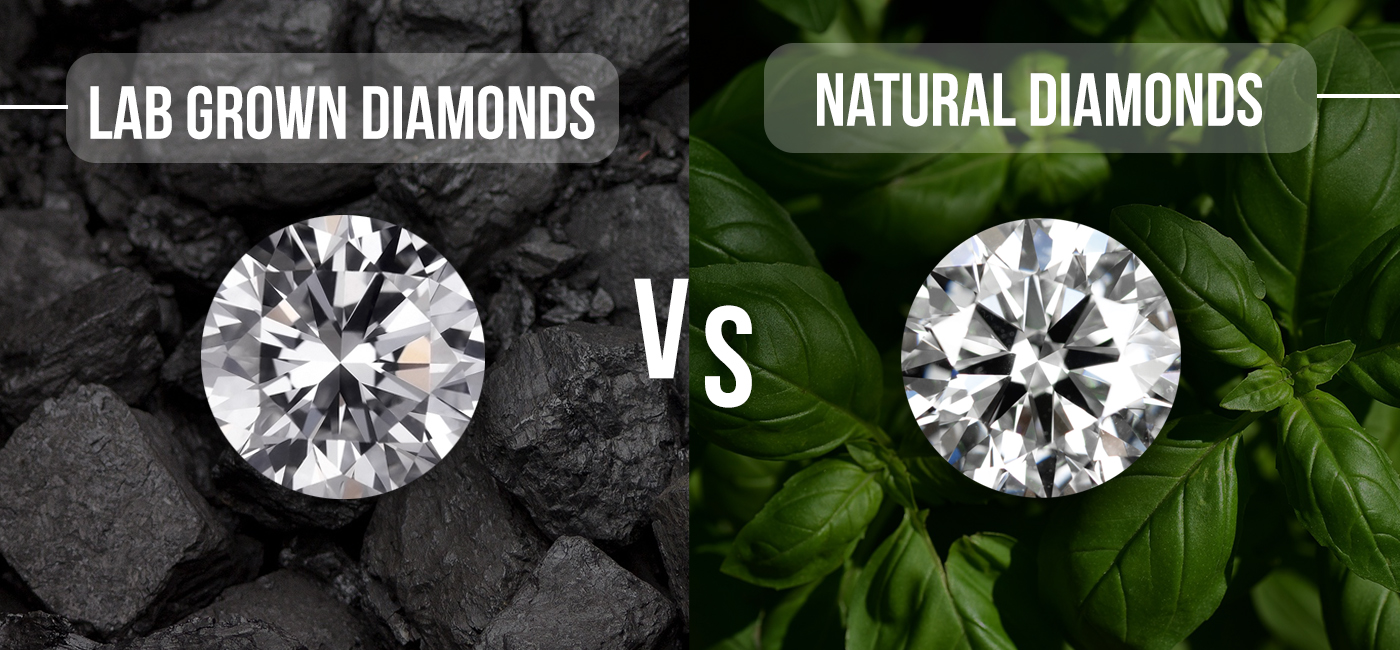
Out of thin air? Not quite – these rose gold engagement rings mimicking Earth’s deep heat and pressure. Machines spark their birth instead of mines carving them out. Same atoms line up just like underground ones do. Their sparkle, weight, and hardness match what comes from rock. Even someone trained might stare long and hard without spotting a clue. Most of the time, you need specific tools to trace where it came from. Knowing this matters since plenty of purchasers wrongly think lab-made diamonds aren’t real. In fact, they’re genuine. Materials like cubic zirconia or moissanite belong to another category altogether. Only a trained eye might confuse them at first glance.
How They Form
Farming crops stands as one method. Another way involves raising animals.
- High Pressure High Temperature (HPHT)
- Chemical Vapor Deposition (CVD)
Starting with extreme conditions, each technique builds diamonds atom by atom. One relies on crushing pressure combined with searing temperatures. The other feeds carbon gas into a sealed space where crystals slowly stack. Though their paths split early, the results often look identical to the eye. Quality gems emerge either way when precision guides every step.
Buyers Think About Them
Big shifts have hit how people lab made diamonds. Spending time looking up details comes first for shoppers today. Value weighs heavier than old habits when picking pieces. For the same price, lab-made diamonds can mean bigger size or better clarity. A person working within set limits might pick a tiny natural stone instead of a bigger lab-made one that looks cleaner and brighter. What matters most comes down to what they value more.
Understanding Quality Standards
Most folks check a diamond’s worth by looking at its cut, clarity, color, besides carat weight.
- Cut
- Color
- Clarity
- Carat weight
Even if a diamond comes from different places, these rules still hold. How it’s shaped decides how much sparkle you see. Less color means higher grade on the scale. Tiny marks inside or outside determine clarity level. Weight is what carat actually stands for. Looking at stones? Pay attention to cut quality instead of where they come from. Brightness usually wins over size when the shaping is done right.
Pricing and Value
For lots of folks, cost plays a big role in looking at non-mined diamonds. Making them in labs cuts out expenses tied to digging through earth. Because of that shift, they usually sell cheaper than similar natural ones. That gap opens doors for shoppers aiming higher on quality without stretching their wallet. It might mean getting:
- A higher carat weight
- Better clarity
- Higher color grades
- A more elaborate setting
Start by knowing what matters to you when buying. Should space be top of mind, put funds into larger carat size instead. When sparkle drives the choice, shift focus sharply to how well it’s cut.
Popular Shapes and Styles
A ring’s look changes depending on the diamond’s outline. Light dances best through circular stones, which is why so many pick them. Bigger face-up dimensions come across clearly in ovals, even if carat weight stays the same. With rounded corners and full faces, cushion styles bring back vintage charm without trying too hard. Clarity takes center stage with emerald cuts, framed by sharp edges. Geometry shines through princess styles, crisp and angular. Personal taste matters more than what’s popular at the moment. Years later, the look that felt good then should still fit just right.
Selecting a Suitable Ring Setting
One detail shapes how it looks and works. Spotlight lands on the main gem when alone in its frame. Tiny diamonds wrap around the center one, making it catch eyes easier. Time passes through three gems set side by side. Old-world charm shows up in tiny engravings and delicate edges. Start each choice by thinking about how you move through your day. A person always on the go might like a simpler shape – something less likely to catch on things around them.
Certification Matters
Even if a diamond comes from anywhere, having it certified still matters. Because an independent lab’s write-up gives clear facts on how good it looks. When you see that report, it lets you weigh choices evenly while knowing just what you’d get. Right before paying, take time to go through every detail and check whether the seller said the same things. Doing this small thing cuts down mix-ups and makes picking one feel safer.
Shop smarter without overthinking
Ready to buy? Start by setting aside money for it. Figure out what features fit your life best – before checking choices. Think about what really counts. Then take time to decide
- Does how big it is matter most to me?
- Sparkle that stands out – does it catch my eye more?
- Is choosing a particular form something that matters to me?
- Does daily wear suit this ring?
Start by getting clear on what matters most. Jumping straight into specs can mislead. Instead of fixating on just one trait, think how they work together. The real look often comes from mixing cut, color, clarity, and size well. Balance tends to win where extremes fall short.
Long-Term Considerations
Wearing an engagement ring or a piece of fine jewelry usually means it stays on for years. Toughness counts when something sits on your hand every single day. Diamonds stand out because they resist scratches better than almost anything else. Even so, taking small steps makes a difference over time. A quick wipe with a soft cloth now and then brings back the shine. Checking the metal claws every few months stops gems from slipping loose. How you treat it shapes how it looks down the road. Little things add up without asking much effort at all.
Making the Final Decision
One person might care about where a diamond comes from deep underground. Not everyone thinks that way, though. What feels right depends on who you are. Looking at how it sparkles could matter more than its history for some. Price range often shifts what seems possible. Knowing yourself helps narrow things down early. Check official reports instead of guessing if something is good. Decide what counts first. That clarity makes picking easier later. Facts beat guesses every time.
Frequently Asked Questions
Are lab made diamonds real diamonds?
True. Identical makeup, identical feel to natural stones. One comes from deep underground, the other grows in a lab setting.
Sparkle wise, lab grown stones match those dug from the earth.
True. A diamond’s brilliance comes mostly from how well it’s cut, not where it’s from.
Can a laboratory-created diamond be used in an engagement ring?
True. Often seen in engagement rings, these stones appear across wedding sets and high-end accessories since they match natural diamonds in toughness.