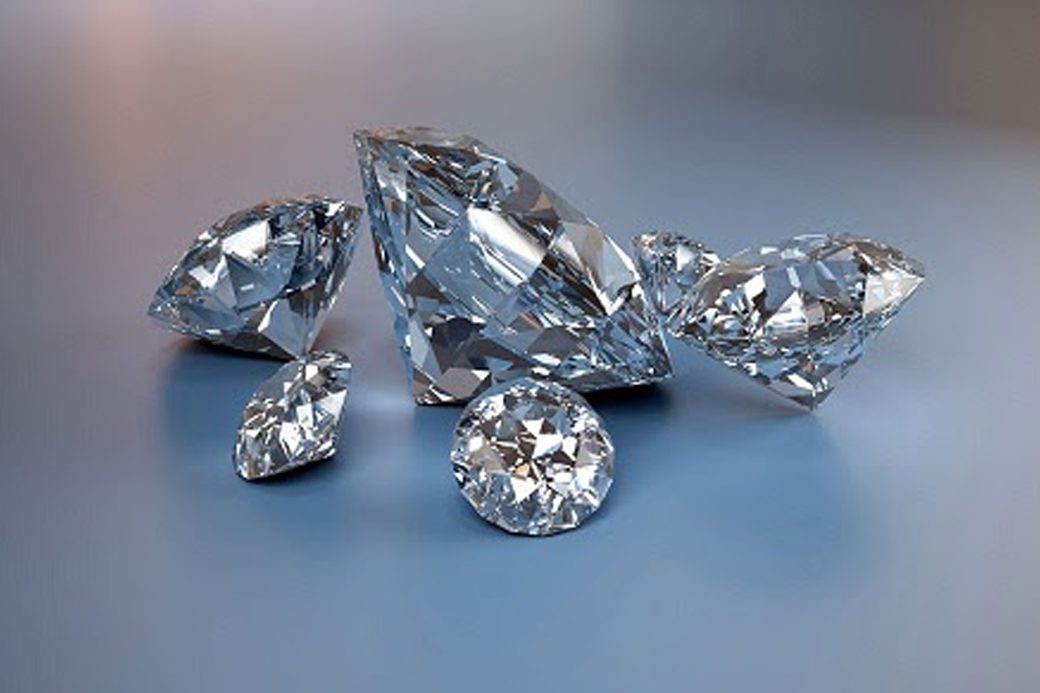

More buyers pick modern diamond alternatives
These days, picking out a three stone lab grown diamond rings plenty of choices. A shift stands out – lab grown diamonds now fill the market. They mirror natural ones in appearance, pass similar assessments, yet let shoppers manage cost and origin more closely. Need size, clearer quality, or unique design without overspending? This option fits well. What you get isn’t fake at all. A lab-grown diamond sits at your finger’s center, made without digging into soil. This change counts – shoppers today weigh honesty, creativity, and worth just beside custom.
What They Are And How They Are Made
A single element sits at the heart of every diamond – carbon, locked into a rigid lattice. This tight pattern explains why it feels so tough, sparkles so bright, holds up over time. Where it comes from might change, yet what it’s built from stays identical. Creating them in controlled settings usually follows one of two paths
- Under intense heat and crushing pressure, diamonds take shape deep underground. This process mimics nature’s own method of creation.
- A thin crystal builds up slowly inside a sealed space. Gases react there, adding one sheet at a time. Each new level forms when chemicals meet under heat. The process repeats until the structure reaches full thickness. Layering stops once the desired depth is achieved.
One way or another, each method makes fine gems good enough for rings, earrings, necklaces, or daily wear. Take a one-carat lab-made diamond with sharp cutting – it might shine more than a bigger natural one sliced carelessly.
Comparing Them to Natural Diamonds
A diamond’s true value shows in how it performs, not just what it’s called. What matters most stays consistent across every stone.
- A single flaw can dull brilliance faster than anything else. Shape changes how light dances through a gem more dramatically than size ever could.
- White or warm tones define a diamond’s color grade.
- What you see inside shows up clearly. Marks that appear are recorded just as they look.
- A single carat counts heft, though eyes might see something different. Size isn’t just what you notice at a glance.
Some shoppers think natural automatically beats synthetic. Not true at all. Even a top-quality man-made diamond might look sharper than a rougher earth-mined one. The real difference usually shows up on the tag. Given equal spending room, better cuts or heavier stones come into reach.
Who Gains Most From Purchasing These
Should you care about real-world benefits, these rocks could matter. Picture yourself here whenever results rank high on your list
- Want the largest visual impact for your budget
- Prefer modern sourcing methods
- Need room in the budget for a custom setting
- Care more about appearance than resale value
- Looking for stones that pair well, maybe for a set of earrings or something special on an anniversary
Should heritage or scarcity weigh heavily on your mind, a naturally formed gem might simply seem more fitting.
Buy Smart Choices
Start by focusing on how well the man made diamonds is cut. Often, a tiny one with great cutting appears more beautiful than a bigger but poorly cut gem. After that decision feels right, shift attention toward hue and purity – pick what suits your eye. Follow this sequence without skipping steps
- Cut first
- Shape second
- Carat range third
- Last come color and clarity
Beyond size, focus shifts to balance – aiming between 1.70 and 1.90 carats often reveals better results than pushing two full units. A sharp cut matters more than maximum weight; clean alignment supports that. When possible, seek documentation from labs like GIA or IGI. These reports shed light on how well it was shaped, finished, aligned – even its glow under UV if noted.
Popular Ring Designs for Daily Use
A rock’s importance sits close, yet how it rests shifts daily ease over time. Favorites tend to be these
- Solitaire for clean focus on the center stone
- Halo for extra visual size
- Hidden halo for subtle detail
- One stone sits at each end, a third rests in the middle. This arrangement brings harmony through symmetry. Sparkle spills from the sides where light catches every angle
- Bezel for active lifestyles and extra protection
Working with your hands a lot? Maybe skip tall prong settings. Snagging happens faster when they stick out too far.
Price Expectations and Budget Planning
One part covers the stone, another handles the setting. When supply shifts, prices shift too – especially for rare cuts. Oval gems behave unlike round ones when it comes to cost. Grading nudges value up or down depending on clarity. Pear-shaped diamonds? They play by their own rules. Think about what fits your goal, not just what saves cash. Balance matters more than bargain hunting. Splitting funds helps keep choices clear
- 70 to 80 percent for the center stone
- One out of five, maybe even three out of ten – this much matters when things get placed into position
Stopping short on metal keeps costs down without hurting the stone. Since lab diamonds cost less, shoppers often find it simpler to balance both parts of the purchase.
Common Mistakes to Avoid
Most people move too fast when purchasing, paying attention to figures that don’t matter much. Skip these mistakes instead
- Choosing carat over cut quality
- Ignoring finger size and ring proportions
- Paying more just because of tiny imperfections hidden to the eye
- Skipping certification
- Buying from sellers with weak return policies
Start by requesting clips shot outdoors during daylight. Artificial setups often mask flaws while boosting shine too much. Instead of polished studio scenes, go for footage where sunlight reveals what’s really there.
Care and Long Term Use
Most days, these diamonds handle life just fine. Since they’re made of identical stuff, their toughness matches natural ones. For a clean shine on your band:
- Start by rinsing under warm water. A bit of mild soap helps loosen grime. Work it gently using a soft brush. Rinse again after brushing. Dry with a clean cloth when done
- Store separately from other jewelry
- Check prongs yearly
- Remove during heavy lifting or harsh chemical use
Light bounces better off a spotless diamond. When grime collects, the sparkle fades.
Should You Choose One?
Beauty, lasting strength, plus value might point one way. Yet if rare and earth-grown matter more, mined stones could win. What weighs heaviest for you shapes the pick. Skip outside noise, lay choices flat. A lab-made stone answers a quiet need for plenty today. A nicer ring becomes possible without stretching your budget. Because of this, more people keep choosing them.
Common Questions From Buyers
Do man made diamonds look fake?
True. These gems share the exact atomic makeup of natural diamonds. Not imitations like CZ or fake stones made of glass. Same building blocks down to the smallest detail.
How about their lifespan compared to natural diamonds?
Fine. They handle everyday use just right, last a lifetime when looked after, plus shrug off scratches like almost nothing.
Is it possible to get coverage for these?
True. Most companies that insure jewelry will include coverage if you have an appraisal or proof of purchase. Coverage often depends on paperwork showing worth.